
The Allure of Chance
The thrill of winning at casino games is profoundly rooted in the excitement of chance. Every spin of a roulette wheel or draw of a card offers a tantalizing unpredictability, which keeps players coming back for more. This element of chance can be exhilarating, as it allows individuals to dream of striking it rich at any moment. The possibility of a life-changing win creates a rush that is difficult to replicate, enticing players to engage with games that hinge on luck rather than skill. Notably, in the realm of gaming, many players explore no kyc online casinos for the thrill and convenience they offer.
This allure is not simply about monetary gain; it’s about the emotional high tied to uncertainty. Players often visualize the potential outcomes, and this mental imagery enhances their experience in the casino. It triggers the brain’s reward system, releasing dopamine and creating a sense of euphoria that reinforces their desire to play. The rush created by winning, or even the anticipation of a win, fuels a cycle of repeated engagement, drawing players deeper into the world of gambling.
The Role of Cognitive Biases
Cognitive biases play a significant role in how individuals perceive their chances of winning at casino games. One prevalent bias is the “gambler’s fallacy,” where players believe that past events influence future outcomes in random games. For example, someone may think that after several red spins in roulette, a black spin is “due,” leading to increased bets based on flawed reasoning. This fallacy can lead to overconfidence, prompting players to wager larger amounts in hopes of recovering perceived losses.
Furthermore, the near-miss effect is another psychological phenomenon observed in casino gaming. Players often feel elated after nearly winning, such as rolling close to a winning number or coming close to a jackpot, which can perpetuate their gambling behavior. This near-miss experience tricks the brain into interpreting the situation positively, reinforcing the desire to continue playing, despite the associated risks. Understanding these cognitive biases highlights how the psychology of players can significantly impact their gambling habits.
The Emotional Rollercoaster
The emotional journey experienced during casino play is akin to a rollercoaster ride. The highs of winning can quickly turn into the lows of loss, creating an intense emotional experience. Players often find themselves caught up in a whirlwind of hope, anticipation, and despair within a single gaming session. These fluctuating emotions not only enhance the thrill of the game but also can lead to problematic gambling behaviors.
Casinos are designed to capitalize on this emotional rollercoaster, using lighting, sound, and atmosphere to amplify feelings of excitement and urgency. The celebratory sounds of winning machines or the cheers of fellow players can create a collective euphoria, drawing more individuals into the fray. This emotional manipulation is intentional, designed to create a captivating environment that encourages prolonged play and increased spending.
The Impact of Social Interaction
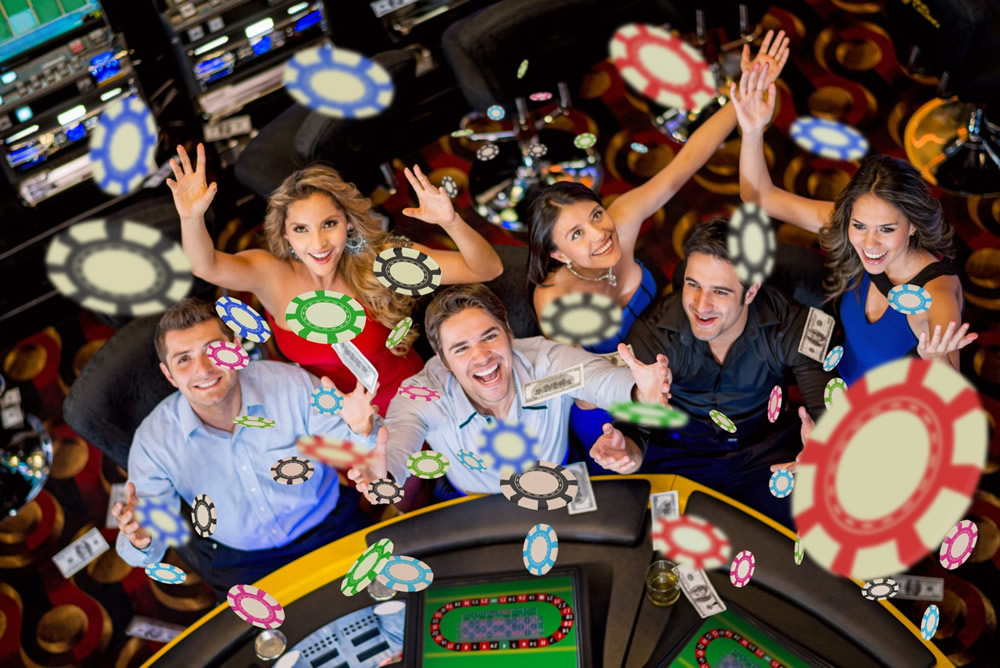
The social aspect of casino games also contributes significantly to the thrill of winning. Engaging with others—whether through table games, slot machines, or poker—creates a shared experience that heightens the enjoyment of the game. Socialization can breed competition and camaraderie, making the experience more rewarding. Players celebrate each other’s victories, which can amplify the thrill of winning and create a sense of belonging among participants.
Moreover, social interaction can lead to a sense of validation. When others witness a win, it enhances the psychological satisfaction of the player, reinforcing their connection to the game. The communal atmosphere of a casino fosters relationships and shared stories, making each win not just a personal achievement but a collective celebration that bonds players together.
Conclusion and Learning Resources
Understanding the psychology behind casino games sheds light on the intricate relationship between thrill and gambling behavior. The mix of chance, cognitive biases, emotional highs and lows, and social dynamics all play a crucial role in the gaming experience. Recognizing these factors can help players make more informed decisions about their gambling habits and ensure they engage in these activities responsibly.
For those interested in exploring the psychological aspects of gambling further, there are countless resources available. These can range from academic studies on gambling behavior to self-help tools aimed at developing better habits. Engaging with these materials can lead to a deeper understanding of both the thrill of winning and the potential dangers of gaming addiction.

